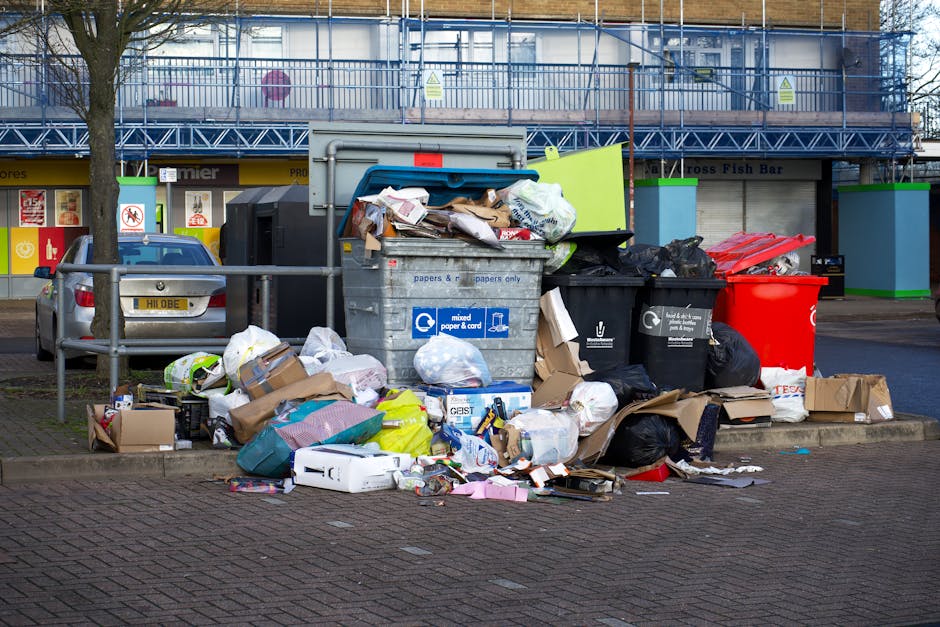
Avoid hidden Lewisham council rubbish charges what to know

If you are trying to avoid hidden Lewisham council rubbish charges, you are not alone. Waste removal sounds straightforward until the little extras start creeping in: extra bags, bulky items, missed collections, access issues, restricted hours, or charges that only appear once the job has started. Truth be told, that is where most people feel stuck. You want the rubbish gone, you want a fair price, and you do not want a surprise bill landing like a brick in the post.
This guide explains what to watch for, how rubbish removal pricing usually works in and around Lewisham, and the practical steps you can take to keep costs clear from the start. It also shows where private clearance services can help when council collection rules are unclear, slow, or simply not suited to the job.
Quick takeaway: the easiest way to avoid hidden charges is to confirm exactly what is included, what counts as extra, and how the price changes if the job turns out bigger than expected.
Why Avoid hidden Lewisham council rubbish charges what to know Matters
Rubbish removal is one of those jobs that feels simple until it is not. A couple of bin bags can become a half-day headache if they are not accepted, if the waste is too bulky, or if you have accidentally mixed in something that needs specialist handling. In Lewisham, as in much of London, the real cost is rarely just about the lifting. It is about the rules, the access, the volume, and whether the waste can be handled in one go.
Why does this matter so much? Because hidden charges usually appear when the original conversation was too vague. A quote may look cheap at first glance, then suddenly change because the team had to carry items down multiple flights of stairs, remove awkward furniture, or deal with extra sacks that were not mentioned earlier. And let's face it, nobody enjoys being told, after the van is loaded, that the price has moved again.
The other issue is confidence. If you are clearing a flat, garden, loft, office, or garage, you are already making decisions about time, stress, and disposal. A clear, honest price lets you compare options properly. It also helps you choose between council services and private clearance providers without guessing. Small things, but they matter.
If you are also planning a larger clear-out, it can help to think in categories: household items, garden waste, builders waste, office rubbish, or a single furniture disposal job. Services such as house clearance, garden clearance, and furniture disposal tend to have different pricing triggers, so a one-size-fits-all assumption often leads people astray.
How Avoid hidden Lewisham council rubbish charges what to know Works
The basic idea is simple: you should know what you are paying for before the waste is collected. In practice, that means checking how the provider calculates the price, what assumptions are built into the quote, and what could change the final amount.
For council-related rubbish removal, charges may depend on the type of item, the collection method, the amount of waste, and whether the service is booked in advance or requested as an ad hoc uplift. Some items are easy to price. Others are a bit fiddly. Mattresses, sofas, white goods, builders waste, and mixed loads can all create different handling needs. If the collection involves stairs, tight access, parking problems, or extra labour, those details can affect the cost too.
Private rubbish removal usually works on a similar logic, only with more flexibility. A team may quote based on load size, item count, weight, or labour time. That can be handy when you need speed, but it also means the details matter. If you leave out a shed load of broken shelving in the first conversation, the price may jump later. Not because anyone is being difficult, but because the job changed.
The safest approach is to ask for a quote that clearly states:
- what waste is included
- how volume or weight is measured
- whether labour, loading, and disposal are part of the price
- what happens if there are extra items on the day
- whether there are access or congestion-related surcharges
When you compare options, do not just look at the headline figure. A low quote with vague terms can end up costing more than a slightly higher quote that covers everything properly. Annoying, yes. But common.
Key Benefits and Practical Advantages
Checking the details before booking rubbish clearance has some very practical upsides, beyond simply saving money.
1. You avoid bill shock. Clear pricing means you know the real cost before anyone lifts a bin bag. That alone reduces stress.
2. You can compare like with like. A fair comparison between providers only works when the same things are included. One company may quote for labour and disposal; another may not. Apples and oranges, basically.
3. You can plan your day properly. If you know the team needs access, parking space, or a time window, you can make the arrangement smoother. Less waiting around by the front door with that awkward "will they arrive soon?" feeling.
4. You reduce the chance of refused items. Some waste types need special handling. Knowing that early helps you separate them or arrange the right service from the start.
5. You keep more control over the outcome. Whether you are clearing a spare room or a commercial space, having a written quote and a clear checklist puts you in a much better position.
There is also a practical environmental benefit. Choosing the right service can support proper sorting, recycling, and responsible disposal. If that matters to you, and it should, it is worth reading up on recycling and sustainability before you book. A little care upfront makes the whole process cleaner in every sense.
Who This Is For and When It Makes Sense
This matters to a lot of people, not just those with a huge pile of junk on the pavement. In our experience, the people who benefit most are often the ones with a small-to-medium job that feels too awkward for the regular bin but too urgent to leave sitting there for weeks.
You may need to think carefully about hidden charges if you are:
- clearing a flat after a move
- emptying a loft or garage
- disposing of a broken sofa, wardrobe, or mattress
- dealing with garden debris after a tidy-up
- removing builders waste after repairs or refurbishments
- clearing business waste from an office or shop
- handling mixed items where some may need special disposal
For example, a landlord in Lewisham might only need a flat cleared between tenancies. A family in Catford may just want old furniture taken away before the weekend. Or a small office may need bulk rubbish removed after a reorganisation. Different needs, same issue: if the quote is unclear, the final cost can drift.
That is also why services like flat clearance, office clearance, and builders waste clearance are worth considering separately rather than assuming a general rubbish collection will do the job. Different waste, different handling, different risk of extra fees. Simple as that.
Step-by-Step Guidance
If your goal is to avoid hidden charges, a calm, structured approach helps more than anything else. Here is the process we would suggest.
1. Describe the waste clearly
Do not just say "a few bits and pieces". That phrase causes trouble. List the item types, rough quantity, and whether anything is especially heavy, sharp, damp, or awkward. A photo usually helps a lot. Even a slightly messy phone photo can save a lot of back-and-forth.
2. Check access details
Tell the provider about stairs, narrow hallways, garden access, basement rooms, parking restrictions, and any lift issues. One small detail can change the time needed. And time affects price.
3. Ask what is included
Before you accept a quote, ask whether loading, labour, disposal, and VAT are included. Also ask if the price covers waiting time or extra trips. If it does not, find out what triggers those costs.
4. Confirm restricted or specialist items
Waste that includes electricals, paint, chemicals, sharp materials, or mixed construction waste may need different handling. If you are unsure, ask. It is much better to ask a slightly obvious question than to get surprised later. Nobody likes a "we'll sort that on the day" conversation when money is involved.
5. Get the quote in writing
A written quote gives both sides a record of what was agreed. That can be email, message, or formal quote sheet. The format matters less than the clarity.
6. Reconfirm before collection day
If anything has changed, mention it before the crew arrives. Added items, bigger volumes, or access changes should be raised early. That keeps the final price fair and avoids awkwardness.
7. Check the end-of-job breakdown
Once the job is done, ask for the final breakdown if it was not already provided. If a provider was upfront, this is usually straightforward.
If the job is large or complex, the right service may also be more efficient than trying to do it in stages. For urgent clear-outs, the same-day Lewisham rubbish clearance guide can give you a feel for fast-response options and the kind of detail that matters when time is tight.
Expert Tips for Better Results
Small habits make a big difference here. Not glamorous, but effective.
- Take photos from multiple angles. A front-on shot and a wider room view help more than one close-up.
- Separate obvious categories. Keep garden waste, furniture, and builders debris distinct if possible.
- Measure large items. If you know a wardrobe is oversized, mention the approximate dimensions.
- Ask whether disassembly is included. Some providers will take apart furniture; others will not.
- Plan parking early. In Lewisham, parking or stopping space can be the hidden little gremlin in the job.
- Be honest about the load. Underselling the job often causes the biggest price disputes.
A useful rule of thumb: if an item feels awkward to lift, cut, drag, or carry, mention it. That one sentence can save a lot of grief. And yes, this includes the broken chest of drawers everyone swears is "basically fine".
If you are working through a broader clear-out, pairing rubbish removal with dedicated services can help. For example, a household with old seating and broken tables may benefit from furniture clearance, while a cluttered attic may suit loft clearance. A matched service usually means a cleaner quote and fewer extras.
Common Mistakes to Avoid
A lot of hidden charge problems come from a few familiar mistakes. Once you know them, they are easier to dodge.
- Using vague descriptions. "General rubbish" is not always enough.
- Forgetting access issues. Three flights of stairs can matter a lot more than people think.
- Assuming all waste is standard waste. Mixed loads can change the cost.
- Not asking about minimum charges. Some jobs have a call-out or minimum load charge.
- Leaving extra items out of the quote. That is how the final figure creeps up.
- Skipping written confirmation. Memory is unreliable when money is on the line.
One mistake people make surprisingly often is comparing a council-style service with a private clearance quote as if they work exactly the same way. They usually do not. Council arrangements may have stricter item lists, longer lead times, or separate booking rules. Private clearance can be quicker and more flexible, but the quote structure may be more detailed. Different tools for different jobs.
Another thing to watch: if you have bulky garden waste or broken outdoor items, do not assume they will be handled like bagged household rubbish. A dedicated garden clearance service may be the neater fit, especially when branches, soil, fencing bits, or damp debris are involved.
Tools, Resources and Recommendations
You do not need special equipment to avoid hidden charges, but a few simple tools make the process much smoother.
- Your phone camera: take clear photos of the waste and access route.
- A rough room or item count: useful for lofts, garages, and flats.
- Basic measurements: especially for wardrobes, sofas, and larger appliances.
- A note of potential problem items: paint tins, electricals, heavy rubble, broken glass, or anything damp.
- A shortlist of providers: compare what is included, not just the headline price.
For readers planning a broader tidy-up, useful supporting pages include garage clearance, home clearance, and waste removal. Those pages can help you think through what type of service best matches the job rather than guessing and hoping for the best. Hope is not a pricing strategy, after all.
If you want to check how a provider presents its wider policies, it can also be useful to look at pages such as pricing and quotes, insurance and safety, and health and safety policy. That does not just tick boxes; it helps you understand how seriously the company treats clarity and risk.
Law, Compliance, Standards, or Best Practice
When rubbish is involved, compliance is not just background noise. It shapes what can be collected, how it should be handled, and what a responsible provider ought to explain to you.
In the UK, waste must be managed carefully, and different waste streams may require different treatment. Household items, garden waste, commercial waste, and potentially hazardous materials are not all handled the same way. If a provider sounds vague about this, treat that as a warning sign. Not panic-level warning, just a sensible pause.
Best practice is straightforward:
- make sure the waste is described accurately
- separate items that need special handling
- confirm where the waste will go
- check whether the provider follows safe loading and disposal processes
- ask how they handle items that cannot be taken on the day
For certain situations, such as electrical waste, sharp objects, heavy rubble, or contaminated materials, the safest choice is to ask detailed questions before booking. The same applies if your rubbish includes business items or office equipment, where business waste removal or office clearance may be more suitable than a general collection.
Good compliance is not about paperwork for the sake of it. It is about reducing risk, protecting workers, and making sure the price you agree is based on the actual job. That is the heart of avoiding hidden charges, really.
Options, Methods, or Comparison Table
There is no single best route for every rubbish job. What matters is the mix of speed, clarity, flexibility, and price transparency.
| Option | Best for | Possible downside | Hidden charge risk |
|---|---|---|---|
| Council collection | Simple, eligible items and planned uplift | May have rules, limits, or longer waits | Medium if item eligibility is unclear |
| Private rubbish removal | Fast, flexible clear-outs | Pricing can vary by load and access | Low to medium if details are confirmed early |
| Specialist clearance | Bulky furniture, lofts, gardens, offices, builders waste | May cost more than a basic pickup | Low if the service is matched to the job |
| DIY tip run | Small loads and people with time, transport, and lifting help | Fuel, labour, and disposal effort fall on you | Medium if disposal rules are misunderstood |
To be fair, the cheapest option on paper is not always the cheapest in reality. If you need help with heavy items, awkward access, or a tight deadline, a more structured clearance service may be the better value. That is especially true for larger domestic jobs such as house clearance or mixed household loads where one neat quote can save a lot of time.
Case Study or Real-World Example
A typical scenario goes something like this. A Lewisham resident clears out a spare room after a house move. At first glance, the job looks simple: two broken chairs, a small wardrobe, several bin bags, and a pile of packaging. The initial quote seems fine. Then, on the day, the team notices the wardrobe needs disassembly, there is an old mattress in the cupboard, and the front access is awkward because parking is tight and the stairwell is narrow.
If those details were not mentioned earlier, the final price could change. Not because the provider is trying it on, but because the original estimate did not reflect the real job. That is the hidden-charge problem in miniature. It is usually not one huge surprise. It is several small ones stacked together.
Now compare that to a better run version. The customer sends photos, mentions the stairs, lists the extra mattress, and asks what is included. The provider gives a more accurate price first time. The team arrives prepared, the job is completed in one visit, and nobody spends the day haggling beside the van. Much nicer. Less faff, as people say.
That is why a good quote process matters more than most people expect. It saves money, yes, but it also saves stress, delays, and all that annoying back-and-forth.
Practical Checklist
Use this before you book any rubbish removal service in Lewisham:
- Have I described all items clearly?
- Have I included photos of the load and access route?
- Do I know whether stairs, parking, or labour are extra?
- Have I asked what types of waste are excluded?
- Do I know whether the quote includes disposal and VAT?
- Have I asked how extra items on the day are priced?
- Is the price confirmed in writing?
- Have I checked whether a specialist service would suit me better?
- Have I thought about recycling or re-use where possible?
- Do I know who to contact if the job changes before collection?
If you can tick most of those boxes, you are in a much stronger position. And yes, that tiny bit of admin makes a real difference.
Get a free quote today and see how much you can save.
Conclusion
Avoiding hidden Lewisham council rubbish charges is mostly about clarity. Say what you need removed, show the full picture, and ask what is included before you agree to anything. That one habit prevents most of the nasty surprises people complain about later.
If you are planning a clear-out, do not rush the quote stage. A few honest details now can save money, time, and quite a bit of frustration later. Whether it is a loft, garage, garden, flat, or office, the same rule applies: the more accurate the information, the fairer the price.
And if you are still weighing up your options, start with the service that matches the job, not just the headline cost. A sensible choice now can make the whole process feel lighter, calmer, and far less messy. That is usually the win people remember.
Frequently Asked Questions
What are the most common hidden rubbish charges in Lewisham?
The most common extra costs usually come from access issues, extra labour, oversized items, mixed waste, parking complications, or items that were not included in the original quote.
How can I avoid extra charges when booking rubbish removal?
Give a full description of the waste, share photos, confirm access details, and ask what is included in the quote. Written confirmation helps a lot.
Is council rubbish collection always cheaper than private clearance?
Not always. Council collection can be cost-effective for simple eligible items, but private clearance may be better value when the job is urgent, bulky, or awkward.
Do I need to mention stairs or parking when asking for a quote?
Yes. Those details can affect labour time and the final price. If access is tight, say so early.
What should be included in a proper rubbish removal quote?
A good quote should explain what waste is covered, whether loading and disposal are included, what counts as extra, and whether VAT applies.
Can I get charged more on the day if I have extra items?
Yes, if the extra items were not part of the original estimate. That is why it helps to mention everything upfront, even if you think it is "only a couple more things".
Are furniture and bulky items priced differently?
Often they are. Large furniture can need more labour, more space, or disassembly, so many providers treat it as a separate type of job.
What if my waste includes broken electrical items or hazardous materials?
Tell the provider before booking. Some items need special handling and may not be accepted in a standard clearance.
Should I choose a specialist service for loft, garage, or garden clearances?
If the load is mainly from one area, yes, that often makes sense. A matched service can give you a more accurate quote and a smoother job.
How do I know if a quote is fair?
Compare what is actually included, not just the headline figure. If one quote looks cheaper but leaves out labour, disposal, or access issues, it may not be the better deal.
Is written confirmation really necessary?
It is strongly recommended. A written quote reduces misunderstandings and gives you something to refer back to if the scope changes.
What is the smartest first step before booking rubbish clearance?
Take photos, list the main items, and think about access. That small bit of prep usually leads to a clearer quote and fewer surprises later.
If you need a reliable next step, check the service that best matches your load and ask for a clear written quote. A bit of care now can spare you a lot of awkwardness later, and that is worth doing properly.