Balanced techniques for minimizing household trash
Balanced Techniques for Minimizing Household Trash
Managing and minimizing household trash is not just an environmental duty, but also a practical way to streamline daily living. With increasing global concerns about landfill overflow, plastic pollution, and the environmental impacts of waste, adopting balanced techniques for minimizing household trash is more important than ever. This comprehensive guide will offer actionable, easy-to-follow strategies that can help every household reduce their waste footprint and contribute positively to a cleaner and greener planet.
Why Reducing Household Trash Matters
Before jumping into effective techniques for household trash reduction, it is crucial to understand why minimizing garbage is vital. Household waste often ends up in landfills, where it may take hundreds of years to decompose. Moreover, improper disposal leads to emission of methane, a potent greenhouse gas, and can harm local ecosystems and communities. By learning *balanced waste management techniques*, every individual can contribute to a significant positive change.
- Environmental protection: Lesser waste means lower pollution and greenhouse gases.
- Resource conservation: Minimizing trash saves energy, water, and raw materials.
- Economic savings: Less waste means less money spent on disposal, products, and unnecessary purchases.
- Health benefits: Cleaner homes and communities result in improved health outcomes.
Comprehensive Strategies for Reducing Household Waste
1. Practice Thoughtful Shopping and Consumption
Many household waste issues begin with what we purchase. By adopting *mindful consumption habits* and planning your shopping better, you can significantly cut down on unnecessary waste.
- Buy in Bulk: Purchasing in larger quantities reduces packaging waste and often cuts costs.
- Avoid Single-Use Items: Say no to disposable plates, cutlery, napkins, and bags wherever possible.
- Choose Refillable and Reusable Products: Opt for products that come in refillable containers such as cleaning products, coffee, and personal care items.
- Plan Meals Ahead: Meal planning helps reduce food waste and stops unnecessary purchases that may eventually spoil.
2. Embrace Reuse and Repurposing in Daily Life
Another key aspect of balancing household trash output is to maximize the utility of the items you already have. Reusing and repurposing saves money, creativity, and the environment.
- Reuse Jars and Bottles: Glass jars can become storage containers or vases; bottles can be repurposed as watering cans or craft projects.
- Old Clothes and Textiles: Convert worn-out clothing into rags, cleaning cloths, or patchwork rugs instead of discarding them.
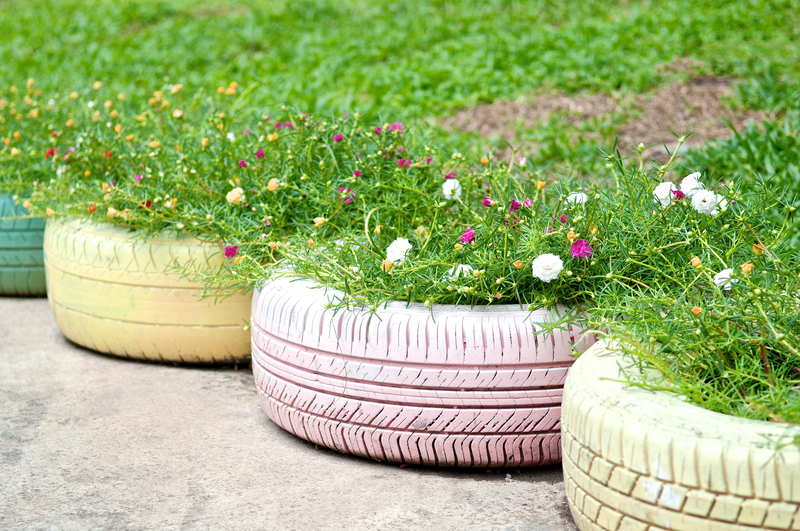
- Creative Upcycling: Transforming packaging, furniture, and other household objects into useful or decorative items lowers your trash output.
3. Implement a Rigorous Recycling System
Proper recycling is one of the most *balanced approaches to household waste management*. However, effectiveness depends on understanding your local recycling policies and ensuring items are clean and sorted correctly.
- Separate Waste Streams: Establish distinct bins for recyclables, compost, and non-recyclable trash.
- Know What to Recycle: Familiarize yourself with local guidelines for plastics, metals, paper, cardboard, glass, and electronics.
- Clean Recyclables: Rinse containers to prevent food residue contamination that could lead to entire recycling batches being discarded.
4. Composting: Turning Organic Waste into Gold
Composting is a simple and highly effective way to decrease the volume of trash sent to landfills. An estimated 30% of household waste can be composted, thereby providing rich fertilizer for gardens and plants.
- Kitchen Scraps: Compost vegetable peels, fruit scraps, coffee grounds, eggshells, and tea bags.
- Yard Waste: Leaves, grass clippings, and small branches can be added to outdoor compost piles.
- Avoid Certain Items: Meat, dairy, and oily foods should be excluded from most home compost bins to prevent pests.
5. Minimize Food Waste with Smart Cooking
Food waste is a major contributor to household trash. By cooking smartly, storing food properly, and thinking ahead, you can drastically reduce what you throw away.
- Love Leftovers: Repurpose leftovers into new meals rather than tossing them out.
- FIFO Method: (First In, First Out) Rotate pantry and fridge items so older items are used before they expire.
- Appropriate Storage: Using airtight containers and keeping certain produce in the fridge can extend shelf life and minimize spoilage.
6. Reduce Packaging Waste: Go Package-Free When Possible
An enormous percentage of household waste comes from packaging--especially plastic and paper. Balanced trash reduction techniques always focus on limiting excess packaging.
- Visit Bulk Stores: These stores let you bring your own reusable containers to buy grains, nuts, and other staples.
- Shop at Farmers' Markets: Avoid pre-packaged produce by buying directly from local producers who often use less packaging.
- DIY Cleaning and Personal Care: Make homemade cleaning products and toiletries to avoid buying multiple plastic containers.
7. Donate and Swap Items Instead of Disposing
Many of the items people throw away are in perfectly usable condition. Donating or swapping these items with others keeps them out of landfills and supports community sharing.
- Clothing and Shoes: Donate gently used apparel to local shelters or thrift stores.
- Furniture and Appliances: Offer items on online marketplaces or through local community groups.
- Toys and Books: Give these to libraries, schools, or daycare centers.
8. Try Repairing Before Replacing
It can be tempting to throw away faulty items, but repairing is a more sustainable way to manage household goods.
- Minor Repairs: Learn basic sewing, gluing, or tool skills so you can fix common household objects.
- Repair Cafes and Workshops: Many communities offer free repair events where volunteers help mend electronics, clothing, and more.
9. Educate Your Household
Sustainable waste management is more effective when every family member participates. Make sure everyone understands the importance of balanced waste minimization techniques.
- Clear Instructions: Label bins and post recycling or composting guides in visible spots.
- Involve Children: Teach kids early about the importance of reducing, reusing, and recycling.
Additional Balanced Approaches to Household Waste Reduction
Digital Solutions: Less Paper, More Convenience
Going digital is one of the most straightforward ways to significantly minimize household waste. Paperless billing, e-books, online subscriptions, and cloud storage keep clutter and paper trash out of your home.
- Switch to E-Bills: Opt for electronic statements and notifications wherever possible.
- Utilize E-Readers and Tablets: Read books, magazines, and newspapers digitally.
- Organize Digitally: Use apps and online tools for recipes, notes, calendars, and lists, eliminating the need for physical paper.
Pet Waste Solutions
Pet ownership brings joy--along with extra waste (food packaging, pet waste, broken toys). There are sustainable ways to manage this as well.
- Bulk Pet Food: Buy food in large bags and store in reusable bins.
- Compostable Poop Bags: Opt for biodegradable bags rather than standard plastic.
- Repurpose Pet Toys: Use household materials like old socks to make DIY pet toys.
Zero Waste and Low Waste Movements
For those willing to challenge themselves further, exploring the zero waste or low waste lifestyle can be enlightening. These movements focus on refusing and reducing unnecessary consumption, and require mindful planning.
- Refuse Freebies: Politely turn down promotional products, flyers, and single-use samples handed out in public.
- Minimalist Living: Curate a home with objects you truly need or cherish, which naturally limits future waste generation.
- Support Zero Waste Businesses: Patronize companies implementing circular packaging and sustainable practices.
Common Pitfalls and How to Avoid Them
Even the most determined individuals sometimes struggle to balance their trash output. Here are a few common mistakes and how you can get back on track:
- Wishful Recycling: Not all plastics or items are recyclable. Check local lists to avoid contaminating recycling streams.
- Neglecting Compost: If not managed properly, compost bins can attract pests or become smelly. Stick to proper guidelines and maintain the right balance of green and brown materials.
- Overbuying: Bulk buying is helpful, but only when you actually use what you purchase! Don't let large quantities spoil.
Summary: Cultivating a Household Culture of Trash Minimization
Minimizing household trash is a journey rather than a one-time event. By integrating these balanced and practical techniques, you not only reduce your impact on the environment but also promote a more organized and efficient living space. Remember that small, consistent changes add up over time. Whether you're composting for the first time, repairing furniture, or shopping with reusable bags, every effort counts.
*Balanced techniques for minimizing household trash* provide immense benefits--for you, your community, and the planet. Embrace a mindful approach, educate those around you, and be patient with yourself as you develop sustainable habits that will last a lifetime.
Frequently Asked Questions (FAQs): Balanced Trash Reduction at Home
- Q: What's the easiest first step for minimizing household trash?
A: Start by bringing reusable bags and containers when shopping, and focus on meal planning to reduce food waste. - Q: How can composting be managed in small apartments?
A: Worm bins and compact countertop composters are great for those with limited space and can handle most kitchen scraps. - Q: What items should never be placed in recycling?
A: Soiled paper (like used napkins or pizza boxes), certain plastics (e.g., plastic bags and films), and hazardous materials should be kept out of recycling bins.
Final Thoughts: Start Your Balanced Journey Today
Shifting towards a *balanced household waste reduction strategy* isn't about perfection--it's about making informed, conscious decisions that work for your lifestyle while benefiting the greater good. One step at a time, you can better manage your household trash, save money, and inspire others to join in creating a sustainable, waste-wise future.