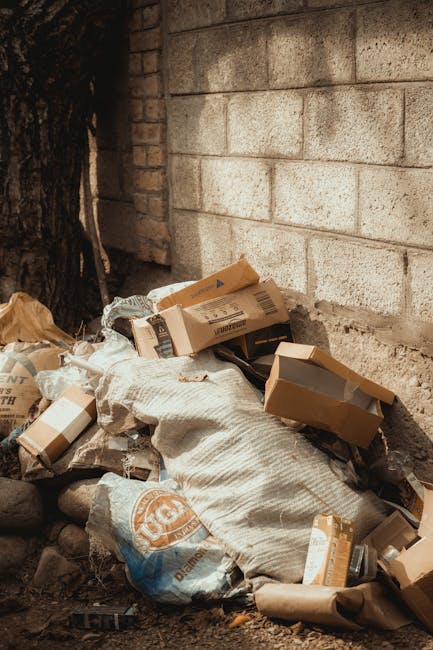
Lewisham rubbish removal guide for Blackheath local homes
If you live in Blackheath and the spare room, loft, garden corner, or hallway has quietly turned into a storage zone for things you no longer need, you are not alone. This Lewisham rubbish removal guide for Blackheath local homes is here to make the process feel less messy, less rushed, and a lot more manageable. Whether you are clearing a few bulky bits after a redecorating job or dealing with a full house clear-out, the right approach saves time, stress, and usually a fair bit of back pain too.
Blackheath homes can bring their own quirks: narrow access, shared entrances, period properties with stairs that seem to go on forever, and the usual London parking realities. That is why rubbish removal is not just about lifting items into a van. It is about planning the job properly, separating what should be reused or recycled, and making sure the whole thing is handled safely and responsibly. In the guide below, you will find practical steps, common mistakes, a simple comparison of options, and a useful checklist you can actually use.
For a broader look at household clearance services, you may also want to review home clearance support and the company's approach to recycling and sustainability.
Table of Contents
- Why Lewisham rubbish removal guide for Blackheath local homes matters
- How Lewisham rubbish removal guide for Blackheath local homes works
- Key benefits and practical advantages
- Who this is for and when it makes sense
- Step-by-step guidance
- Expert tips for better results
- Common mistakes to avoid
- Tools, resources and recommendations
- Law, compliance, standards, or best practice
- Options, methods, or comparison table
- Case study or real-world example
- Practical checklist
- Conclusion
- Frequently asked questions
Why Lewisham rubbish removal guide for Blackheath local homes Matters
Rubbish removal sounds simple until you are the one doing it. Then it turns into a series of small decisions: what is recyclable, what is too heavy to move safely, what might need special handling, and how do you get everything out without damaging walls, floors, or your weekend? In Blackheath, where many homes have tight entrances, older layouts, or limited on-street space, a rushed clear-out can create more hassle than the waste itself.
This matters for another reason too: household waste is not all the same. Some items are straightforward-old boxes, broken small furniture, worn-out toys, general clutter. Others need a bit more care, such as mattresses, white goods, garden waste, or construction offcuts after DIY work. A sensible rubbish removal plan helps you separate these items early, which is usually what keeps the process smooth.
Let's face it, most people do not need a dramatic overhaul of the whole house. They need a clean, workable system that gets the job done without dragging it out for three Saturdays in a row. That is where a local, practical guide becomes genuinely useful. It helps you decide whether a simple waste removal service is enough, or whether something more structured like house clearance, flat clearance, or even garage clearance makes more sense.
Practical takeaway: The best rubbish removal jobs are not the fastest ones at the start; they are the ones that are sorted properly before collection day.
How Lewisham rubbish removal guide for Blackheath local homes Works
At a practical level, rubbish removal for local homes follows a fairly simple pattern: identify the items, group them by type, arrange access, and get them collected for disposal or recycling. The details matter, though. A small pile at the front gate is one thing. A loft full of mixed items, old furniture, and bags of unknown contents is another story entirely.
Most home clear-outs work best when they begin with a quick sort. You decide what stays, what is donated or reused, what can be recycled, and what needs disposal. From there, the collection can be matched to the right service. For example, a few heavy items may suit furniture disposal, while a bigger end-of-tenancy job may be better handled through a broader house clearance or waste removal service.
In a typical Blackheath home, access planning is often half the battle. Can the vehicle park nearby? Are there stairs? Is the waste in a loft, cellar, garden, or at the back of the property? If you know those details before collection, the team can plan the right number of people, the right equipment, and the right time window. That is not just convenient; it tends to make the whole thing calmer.
If the job involves a mix of different materials, some services also align better with certain waste streams. Builders' rubble, timber, and packaging from a renovation may be better suited to builders waste clearance, while green cuttings and soil are more appropriate for garden clearance.
Key Benefits and Practical Advantages
There are obvious benefits, like getting your space back. But the real value of organised rubbish removal is usually broader than that.
- Less time spent lifting and sorting: Instead of making repeated trips to a tip or piling everything in the car, you handle it in one planned process.
- Safer for your home and your back: Heavy lifting, awkward items, and cramped stairways can all be risky if you are doing it alone.
- Better recycling outcomes: Sorted waste is easier to separate for reuse, recycling, or responsible disposal.
- Cleaner living space: Removing clutter can make a room feel brighter and more usable almost immediately.
- Less disruption: A good collection plan reduces the stop-start chaos that often comes with DIY clearing.
- More flexibility: Services can be matched to the job, whether you need a light clear-out or a full property reset.
There is also the psychological side. A cluttered room can quietly drain energy. You keep avoiding it, and the pile somehow grows. Then one afternoon you open the door and think, right, that is enough. Getting help with rubbish removal can break that cycle in a very practical way.
For homeowners handling a broader refresh, it can be useful to look at furniture clearance if large items are the main issue, or loft clearance where old boxes and forgotten belongings tend to accumulate.
Who This Is For and When It Makes Sense
This guide is useful for a lot of Blackheath households, not just the ones doing a dramatic spring clean. In our experience, these are the most common situations where rubbish removal makes sense:
- moving house and needing to clear what will not come with you
- downsizing after a change in family circumstances
- clearing a spare room, loft, garage, or shed that has become overfull
- preparing a property for sale or letting
- dealing with bulky furniture that is no longer usable
- finishing a DIY project and needing construction waste removed
- sorting a garden after pruning, landscaping, or a long season of growth
It is also helpful for landlords and property managers, though this article is focused on local homes. A flat with limited storage, a family house with a basement, or a semi with a stuffed garage can all reach the same point: too much stuff, not enough patience. That is usually the moment when a structured clearance service becomes the sensible option.
And if you are dealing with a smaller home or apartment, flat clearance can be the more fitting option because access, timing, and item handling often differ from a standard house job. Different property, different headaches. Simple as that.
Step-by-Step Guidance
Here is a straightforward way to handle rubbish removal for a Blackheath home without overcomplicating it.
1. Walk through the property room by room
Start with the obvious spaces: kitchen, loft, garage, garden, and spare rooms. Make a rough list of what needs to go. You do not need a perfect inventory, just enough detail to understand the scale. A notebook works fine, and so does your phone camera.
2. Separate items into clear groups
Use simple categories:
- keep
- donate or reuse
- recycle
- dispose
- unsure
That last group matters more than people think. If you are not sure whether something needs special handling, set it aside rather than guessing. Guesswork is where mistakes happen.
3. Identify bulky or awkward items
Note anything that is heavy, sharp, fragile, or hard to lift. Sofas, wardrobes, old fridges, broken chairs, and garden waste bags can all require different handling. If the property has narrow stairs or a tight front path, mention that early.
4. Think about access
Can a collection vehicle stop close enough? Are there parking restrictions? Is there a shared entrance or communal hallway? A service team will usually need to know whether they can load quickly or whether they will be carrying items a longer distance.
5. Match the job to the right service
Not every clear-out is a simple rubbish pickup. If you are mainly removing an old sofa, bed base, or dining set, furniture clearance may be the best fit. If the whole property needs attention, home clearance is worth considering. For more mixed or high-volume jobs, general waste removal may be the right route.
6. Arrange a quote and confirm the details
Be clear about item types, property access, and any timing limits. If you want to compare options, the site's pricing and quotes page is a useful starting point. Transparent pricing is always easier to deal with than surprises on the day. Nobody likes a mystery invoice. Nobody.
7. Prepare the space before collection
Move small loose items into one area if you can do so safely. Keep walkways clear. If possible, separate items that must stay from items that are leaving. It sounds basic, but it really helps.
8. Check the final sweep
Before the team leaves, do one last look through the rooms, hallway, garden, and storage areas. Sometimes a box tucked under a bench or a bag behind a door gets missed. Happens all the time.
Expert Tips for Better Results
There are a few small decisions that make a surprisingly big difference.
- Be specific about heavy items: "A few bags" and "a few bags plus a cast-iron table and a wardrobe" are not the same job.
- Do not overfill bags: Overpacked rubbish sacks can split at the worst possible moment, usually on stairs or in the rain.
- Keep mixed waste separate where possible: Wood, metal, cardboard, and textiles are often easier to process if they are not all mashed together.
- Take photos before you book: This helps with estimating the scale and avoids vague descriptions.
- Choose timing carefully: If the street is busy in the mornings, a later slot may be easier for access and parking.
One useful habit is to start from the most awkward space first, not the easiest. Clear the loft or garage before you start sorting decorative bits from shelves. That way you deal with the hard stuff while your energy is still intact.
If a clear-out is tied to renovation work, look at builders waste clearance rather than putting rubble or mixed construction debris into general household piles. That distinction matters more than people realise.
Common Mistakes to Avoid
Most rubbish removal problems are preventable. Here are the big ones.
- Leaving sorting until collection day: This slows everything down and can create confusion about what is actually going.
- Ignoring access issues: Steep steps, narrow doorways, or blocked driveways can turn a routine collection into a slog.
- Assuming every item can go together: Different waste types often need different handling.
- Underestimating volume: A "small amount" has a habit of becoming two van-loads once you start pulling items out.
- Forgetting about unwanted furniture: Sofas and wardrobes can be the hardest items to move, yet they are often left to the end.
- Not checking service scope: If you need a loft, garden, or garage included, make sure that is part of the plan.
A small but common one: people tidy a room by moving things into the hallway and then realise they have simply created a hallway problem. It looks better for a moment, then not so much.
Tools, Resources and Recommendations
You do not need specialist equipment for most household clear-outs, but a few basics make life easier.
- Sturdy gloves: Useful for dusty lofts, broken furniture, and garden waste.
- Strong refuse sacks or boxes: Handy for sorting mixed small items.
- Marker pen and labels: Very useful if multiple rooms or family members are involved.
- Phone camera: Good for recording item lists and taking before-and-after photos for your own peace of mind.
- Tape measure: Helpful when checking whether large furniture will fit through doorways or stair turns.
If you are trying to decide what kind of clearance you need, these pages can help you narrow it down: garage clearance, loft clearance, and garden clearance. For company background and service standards, it can also be useful to read the about us page.
In a lot of homes, the smartest move is not buying more bins or bags. It is choosing the right service for the actual mess you have. That sounds obvious, but truth be told, people get this wrong all the time.
Law, Compliance, Standards, or Best Practice
Rubbish removal in the UK sits within a framework of general waste duty, safe handling, and responsible disposal. You do not need to become a legal expert to get it right, but you should follow a few sensible principles.
First, avoid handing waste to anyone who cannot explain how it will be handled. Responsible operators should be clear about where waste goes, how reusable items are treated, and how the process supports safe disposal or recycling. Second, if you are dealing with items that could cause harm-sharp objects, broken glass, old appliances, or heavy materials-handle them carefully and do not force a DIY lift if it feels unsafe.
It is also wise to treat insurance and safety as more than paperwork. A properly run service should think about access, lifting, and property protection. If you want to understand how a provider approaches that side of the job, the pages on insurance and safety and health and safety policy are relevant. They show the sort of standards you should expect, even if your own job is just a domestic one.
For more structured information about how waste is handled after collection, the recycling and sustainability page can help set expectations. Good practice is not just about taking things away. It is about taking them away properly.
Finally, if you are booking and paying online, it is sensible to check payment and security, and if you want to understand the provider's terms, the terms and conditions page is worth a look too.
Options, Methods, or Comparison Table
Different jobs call for different approaches. Here is a simple comparison that may help.
| Option | Best for | Strengths | Things to watch |
|---|---|---|---|
| DIY tip run | Very small amounts of household waste | Can suit one-off light loads | Time-consuming, tiring, access and vehicle limits |
| General waste removal | Mixed domestic rubbish and clutter | Flexible and convenient | Needs good item descriptions for an accurate plan |
| Furniture clearance | Bulky sofas, tables, wardrobes, beds | Good for heavy, awkward items | Access and stairways may affect loading |
| House clearance | Whole rooms, multiple floors, or larger clear-outs | Comprehensive and efficient | Needs clearer preparation and time planning |
| Garden or builders clearance | Outdoor waste or renovation debris | Better matched to waste type | Mixed materials may need separating first |
The right option depends on the waste, not just the volume. A small pile of rubble is not the same thing as a small pile of clothes. Similar size, very different treatment. That distinction saves a lot of confusion.
Case Study or Real-World Example
A typical Blackheath example might look like this: a family has lived in the same house for years, and the loft has become a holding area for old Christmas decorations, broken suitcases, spare lamps, a deflated paddling pool, and three boxes that nobody has opened in ages. The garage is half full of garden tools and a tired sofa that was meant to go "for now" about two summers ago.
Rather than trying to do everything in one chaotic sweep, they list the contents in broad groups, take a few photos, and separate what can be kept from what can go. The bulky sofa is treated as furniture disposal, the garden trimmings are grouped separately, and the rest is arranged as a mixed waste collection. On the day, access is cleared, the hallway is kept open, and the job is finished without the usual stop-start frustration.
The big win here is not just that the rubbish is gone. It is that the property feels reset. You can hear the floorboards again, if that makes sense. There is space to move, space to breathe, and the next job becomes easier because the first one was handled properly.
Practical Checklist
Use this checklist before collection day.
- Walk through each room and note what is leaving
- Separate keep, donate, recycle, and dispose piles
- Identify any heavy, sharp, or fragile items
- Check access routes, parking, and stairs
- Confirm whether you need house, flat, garden, garage, loft, or furniture clearance
- Remove personal items from drawers and cupboards
- Take photos if the job is complex or mixed
- Make sure pathways are clear
- Set aside anything you are unsure about
- Review pricing and terms before confirming
Quick reminder: If the job changes in size, say so early. It is always easier to adjust before collection than after the van is already outside.
Conclusion
A good rubbish removal plan for Blackheath local homes is really about reducing friction. You identify what needs to go, match the job to the right service, prepare access, and keep an eye on safety and responsible disposal. Once those pieces are in place, the whole task becomes much less daunting.
Whether you are clearing a single bulky item, sorting a loft full of long-forgotten stuff, or handling a bigger household refresh, the key is to stay practical. Small decisions made early save time later. And a house with breathing room always feels better, especially after a long week. There is something quietly satisfying about seeing a room return to itself.
If you are ready to move forward, you can explore service details, understand the provider's standards, and make an informed decision that suits your home and schedule.
Get a free quote today and see how much you can save.
Frequently Asked Questions
What is the best rubbish removal option for a Blackheath home?
It depends on the type and amount of waste. Small mixed loads often suit general waste removal, while bulky furniture, loft clutter, or whole-property clear-outs may be better handled by furniture clearance, loft clearance, or house clearance.
Can I mix garden waste with household rubbish?
Sometimes mixed loads can be taken, but separating garden waste where possible usually makes the job easier and more efficient. Green waste often benefits from being kept apart from heavier domestic clutter.
Do I need to sort everything before the collection?
You do not need perfect sorting, but basic grouping helps a lot. Separate obvious items into keep, recycle, donate, and dispose piles before the team arrives.
How should I prepare for a rubbish removal visit?
Clear access, move valuables out of the way, and tell the provider about stairs, parking, or any tight entrances. A few photos can help if the load is awkward or mixed.
Is furniture disposal different from general waste removal?
Yes, because large furniture is heavy, bulky, and sometimes awkward to move. Dedicated furniture disposal or furniture clearance is often the more practical choice for sofas, beds, wardrobes, and similar items.
What should I do with items from the loft or garage?
Lofts and garages often contain mixed clutter, so it helps to sort items into groups first. If the space is full or hard to access, loft clearance or garage clearance may be the better service.
How do I know if I need house clearance instead of waste removal?
If several rooms are involved, or if the job includes a lot of furniture and mixed household items, house clearance is usually the stronger fit. Waste removal is more suitable for general rubbish and smaller collections.
Are there safety issues with DIY rubbish removal?
Yes. Heavy lifting, sharp edges, broken glass, and awkward stairways can all cause problems. If something feels too heavy or unstable, it is better not to force it.
Can renovation debris be taken with household rubbish?
Sometimes, but builders' debris is often better handled through builders waste clearance. It depends on what the material is and how much of it there is.
What if I am not sure what category my waste falls into?
That is normal. Take a photo, make a note of the item, and ask before booking. A quick clarification can prevent delays and help match the right clearance service.
How can I make the process more efficient?
Start early, sort items into clear groups, and make sure the access route is free. A tidy, well-prepared space usually means a faster and smoother collection.
Where can I check the provider's standards before booking?
You can review pages such as about us, insurance and safety, health and safety policy, and recycling and sustainability to understand how the service is run.
If you need a simple next step, start with the room that annoys you most. Usually that is the one that changes everything first.