Sharpen Your Recycling Skills With Our Expert Home Advice
Are you ready to improve your recycling habits and make a real difference at home? Discover how to elevate your eco-friendly efforts with actionable tips and guidance from our environmental experts. This comprehensive article will help you master recycling, optimize your waste management, and contribute to a healthier planet.
Why Home Recycling Matters Now More Than Ever
Every year, millions of tons of recyclables end up in landfills, contributing to pollution and wasting valuable resources. Improving your home recycling techniques is one of the most effective ways to cut down on waste and conserve the Earth's resources. With evolving packaging, changing municipal guidelines, and new recycling technologies, staying updated on best practices is essential.
- Reduces landfill waste: Every properly recycled item keeps unnecessary trash from landfills.
- Conserves resources: Recycling saves raw materials, energy, and water used in the production process.
- Decreases pollution: Less landfill and incineration mean lower greenhouse gas emissions.
- Creates jobs: Recycling industries employ thousands of people and support local economies.
Common Home Recycling Mistakes--and How To Avoid Them
Enhancing your recycling skills starts with understanding common pitfalls. Many well-intentioned recyclers unknowingly contaminate whole loads of recyclables by making just one mistake.
1. Wishcycling: Hoping for the Best
Wishcycling is tossing questionable items into the recycle bin, hoping they're recyclable. Unfortunately, this often leads to contamination, forcing recycling facilities to discard entire batches.
- Tip: When in doubt, check your local recycling guide or the item's packaging for recycling symbols and codes.
2. Ignoring Cleaning Guidelines
Food residue can attract pests, slow down recycling systems, and compromise material quality.
- Tip: Rinse containers lightly; they don't have to be sparkling, but avoid leftover food, liquids, and grease.
3. Mixing Non-Recyclables
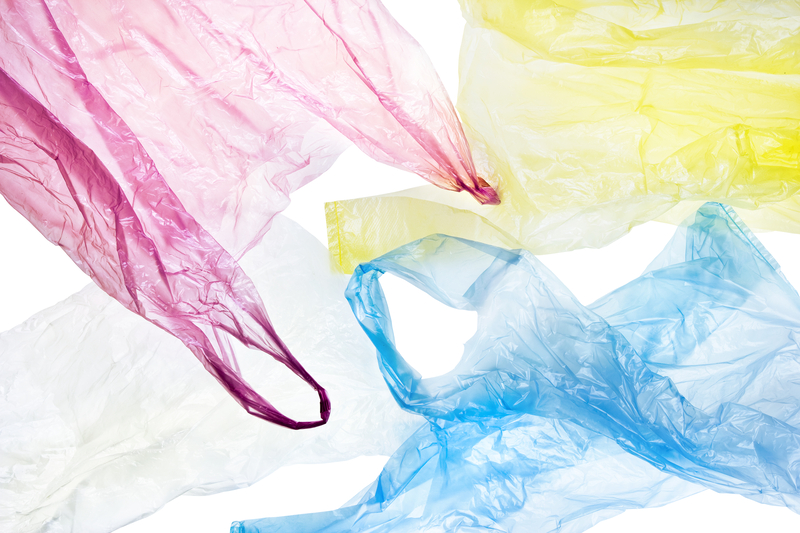
Common culprits include plastic bags, greasy pizza boxes, and Styrofoam, which most local systems don't accept.
- Tip: Keep a printed list of accepted materials near your recycling bins for quick reference.
4. Neglecting Proper Sorting
Some municipalities require separating plastics, papers, and metals, while others use single-stream systems.
- Tip: Verify your local system's requirements to avoid cross-contamination.
Step-By-Step Home Recycling System Setup
Enhance your recycling success with an organized setup. Follow these steps to create a home recycling system that is efficient, effective, and easy for the entire household to use.
1. Assess Your Space
- Choose visible, convenient locations in your kitchen, garage, or utility area for bins.
- Consider capacity--smaller bins encourage regular emptying and reduce odors.
2. Select and Label Bins
- Use color-coded or clearly labeled bins for paper, plastics, metals, glass, and compostables (if applicable).
- Opt for stackable or space-saving designs if you are limited on room.
3. Designate a Staging Area
- Set up an area where materials can be rinsed and sorted before they are placed in final recycling bins.
- Install a small shelf for recycling guides and cleaning tools.
4. Educate Household Members
- Hang an easy-to-read chart outlining what goes where above the bins.
- Hold a quick family meeting to share best practices and assign responsibilities.
Advanced Recycling Skills: Level Up Your Eco-Efforts
Once your home recycling routine is humming, consider these advanced strategies to further amplify your environmental impact.
1. Embrace the "Reduce and Reuse" Philosophy
Recycling is crucial, but the most effective waste management starts even earlier by reducing and reusing.
- Opt for products with minimal packaging or buy in bulk.
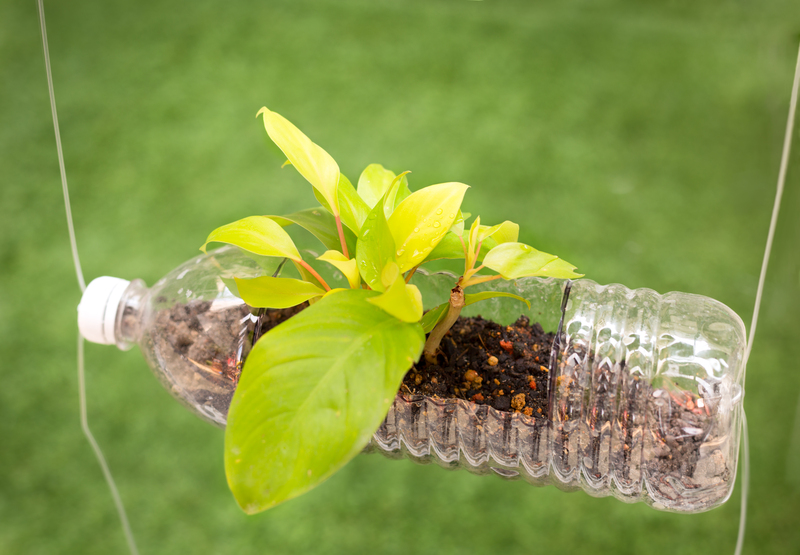
- Repurpose jars, containers, and bags where possible.
- Donate usable household goods instead of discarding them.
2. Master Plastics Recycling
Not all plastics are created equal. Learn to distinguish between resin codes, typically marked on the bottom of containers inside a triangle.
- #1 PET (Polyethylene Terephthalate): Widely accepted (water bottles, some food packages).
- #2 HDPE (High-Density Polyethylene): Milk jugs, detergent bottles--highly recyclable.
- #3-#7: Often less recyclable (vinyl, polystyrene, multilayer plastics)--check with your facility.
- Remove lids if required, as these are often a different plastic type.
3. Composting: Recycling Organics at Home
Composting transforms food scraps and yard waste into nutrient-rich soil, reducing landfill load.
- Use a countertop container for food prep scraps.
- Combine greens (veggies, fruit, coffee grounds) and browns (dried leaves, cardboard).
- Avoid composting meat, dairy, or oily foods unless you have an advanced system.
4. Safely Dispose Of Special Items
Certain materials--batteries, electronics, fluorescent bulbs, paints--require specialized recycling.
- Check local e-waste collection days or drop-off centers.
- Never put hazardous waste in your curbside recycling!
- Contact retailers for battery recycling programs.
Recycling Beyond the Bin: Engaging With Your Community
Sharpening your home recycling skills extends to the way you involve your neighborhood and stay informed:
- Join local clean-up events and encourage others to recycle responsibly.
- Follow your city's social media accounts for recycling updates and holiday schedule changes.
- Advocate for better recycling access in apartments or schools by collaborating with building management or PTAs.
- Share your progress--post tips and recycling wins on social media to inspire friends and family.
Frequently Asked Questions About Home Recycling
What's the best way to recycle at home?
Set up a clearly labeled bin system, educate the household, and regularly check for local recycling updates.
Can you recycle all plastics?
Unfortunately, no. Only certain types (typically #1 and #2) are widely accepted. Always check local guidelines.
What common items are not recyclable?
- Plastic bags (reuse or return to store drop-off bins)
- Styrofoam
- Greasy food containers (e.g., pizza boxes)
- Ceramics and certain glassware
How clean do recyclables need to be?
Rinsed and mostly free of food residue. No need for perfection, but dirty items can compromise recycling loads.
How can I find out what's accepted in my town?
Check your city's official recycling website, call the local waste management authority, or look for guidelines on your recycling bin.
The Environmental Impact: Why Your Efforts Matter
Every action you take at home adds up. By sharpening your recycling knowledge and skills, you contribute to massive global benefits:
- Lowering carbon footprint: Proper recycling reduces manufacturing energy and emissions.
- Keeping recyclables in the loop: Proper sorting ensures plastics, metals, and paper are actually reused.
- Protecting wildlife: Less waste in landfills and nature reserves habitats for animals and plants.
- Setting an example: Your improved habits inspire friends, neighbors, and your children.
Sharpen Your Recycling Skills: Action Plan
Ready to transform your home recycling? Here's your quick-start checklist for success:
- Pinpoint your recycling materials (paper, plastic, glass, metal) and know your local rules.
- Set up an organized bin system with labels and a quick guide nearby.
- Clean, sort, and prepare recyclables before placing them in the bin.
- Educate family and housemates with reminders and positive reinforcement.
- Step up your skills by composting and safely recycling special materials.
- Engage with your community to advocate for sustainability and motivate others.
Bonus Tips
- Download a recycling app or bookmark your city's recycling database for instant answers.
- Subscribe to eco-newsletters for the latest green living trends and tips.
- Experiment with zero-waste swaps (reusable water bottles, shopping bags, and beeswax wraps).
Conclusion: Make Every Item Count
Your journey to sharpening your recycling skills at home is all about staying informed, organized, and motivated. With the proper recycling setup, ongoing education, and community engagement, you play a key role in protecting our planet's future. Apply our expert advice today, and notice the difference your household can make--less waste, better habits, and a greener world for all.
For more recycling home tips, sustainability guides, and eco-friendly advice, bookmark this article and check back regularly for updates. Every little action counts, and together, we can build a cleaner, more sustainable home and planet.