The Necessity of Waste Clearance for Health and Safety
The Necessity of Waste Clearance for Health and Safety
Waste clearance is an essential process that supports modern urban living, sustainability, and most importantly, our health and safety. As populations grow and consumption increases, the amount of waste generated escalates. Effective waste management, including prompt and efficient removal, is no longer a luxury but a necessity. In this comprehensive article, we delve into why waste clearance for health and safety is vital for individuals, communities, and the wider environment.
Understanding Waste Clearance and Its Importance
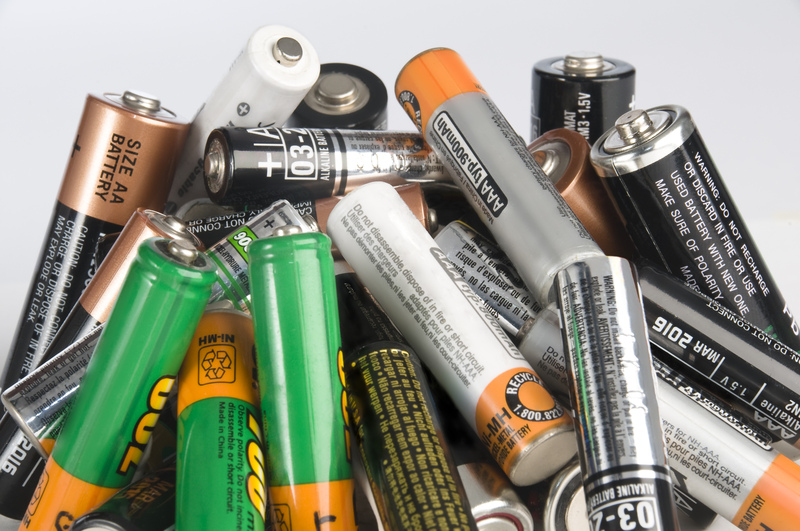
Before examining the necessity of waste clearance, it's important to define what it entails. Waste clearance refers to the collection, removal, and disposal of various kinds of waste, including household rubbish, industrial debris, medical refuse, and more. Proper disposal prevents long-term health risks and environmental issues that stem from improper waste management.
Types of Waste and Their Risks
- Household Waste: Includes packaging, food scraps, paper, plastics, and unwanted furniture. Accumulation can attract pests and diseases.
- Commercial & Industrial Waste: Produced by businesses and factories; may contain hazardous chemicals or materials.
- Clinical Waste: Originating from medical facilities, containing biohazardous substances. Improper storage or disposal represents a threat to public health.
- Construction & Demolition Debris: Includes bricks, plasterboard, and potentially hazardous materials like asbestos.
Necessity of removing waste lies in preventing threats related to these materials -- not only immediate risks but also those that could emerge over time.
How Waste Clearance Protects Health
Preventing Disease Transmission
One of the most significant dangers posed by accumulated rubbish is the spread of diseases. Waste is a breeding ground for bacteria, viruses, and parasites, which can cause infections, epidemics, or long-term health conditions. Effective rubbish clearance limits exposure to such pathogens by swiftly removing waste from populated areas.
Improper waste management has been linked to outbreaks of cholera, dysentery, typhoid fever, and hepatitis. Proper waste clearance disrupts the life cycles of vectors like flies, rats, and mosquitoes, reducing the incidence of these diseases.
Reducing Air and Water Pollution
Another critical health benefit of systematic waste removal is the reduction of air and water pollution. When rubbish is left to decay, it can produce harmful gases, such as methane and carbon dioxide, which contribute to respiratory problems and the overall decline of air quality. Additionally, wastewater from landfill sites can seep into groundwater, contaminating drinking supplies and irrigation systems.
Clearance of hazardous waste ensures the safe handling and processing of dangerous materials like lead, mercury, and asbestos, which can cause organ failure, developmental problems, and cancers if inhaled or ingested.
Protecting Children and Vulnerable Populations
Children, the elderly, and immunocompromised individuals are particularly at risk from the consequences of inadequate garbage clearance. Their bodies are less capable of fighting off infections or dealing with exposure to toxins. Regular rubbish clearance for health and safety helps shield these groups from unnecessary threats.
The Importance of Waste Clearance for Safety
Fire Hazard Reduction
Accumulated rubbish, especially dry or flammable materials, significantly increases the risk of fire. This is true for both residential and industrial environments. Effective waste removal minimises available fuel and keeps fire exits and pathways clear, thus enhancing safety during emergencies.
Accident Prevention
Cluttered spaces are rife with hazards: tripping over debris, cutting oneself on sharp objects, or being exposed to toxic substances. Timely clearance of waste reduces the risk of these accidents both at home and in workplaces. For companies, this is not only a social responsibility -- it's a legal one under occupational health and safety regulations.
Rodent and Pest Control
Where waste piles up, pests such as rats, cockroaches, and insects are sure to follow. Not only do these creatures spread filth and disease, but they can also cause damage to property. Belongings may be chewed, wiring destroyed, and costly repairs needed after infestations. Regular waste clearance for safety disrupts pest habitats, keeping homes and businesses secure and sanitary.
The Environmental Impact of Waste Management
Protecting Ecosystems
The effects of uncollected or improperly disposed waste extend beyond human populations to the broader environment. Prompt rubbish clearance prevents harmful chemicals and plastics from entering local rivers, lakes, and soil. This safeguards wildlife and maintains the balance of natural ecosystems.
- Reduced pollution from recycling and responsible disposal
- Prevention of soil contamination and plant toxicity
- Minimised risk to aquatic life from plastic and chemical runoff
The necessity of waste clearance cannot be overstated when it comes to protecting the planet for future generations.
Promoting Recycling and Resource Recovery
Another environmental benefit of proper waste management is the increase in recycling rates. Effective sorting and removal of waste allows for more materials to be recovered and processed into new products, reducing the need for raw resource extraction.
Waste clearance services that integrate recycling not only reduce landfill use but also conserve energy and lower greenhouse gas emissions, contributing to overall sustainability. Each household and business has a role to play in encouraging these practices for a cleaner, healthier planet.
Legal and Regulatory Dimensions of Waste Clearance
Compliance With Waste Legislation
Failure to carry out waste clearance in line with laws and regulations can lead to hefty fines, lawsuits, and even custodial sentences for individuals or organisations. Laws governing rubbish disposal are designed to protect public health, ensure environmental standards, and impose responsibility for waste from its generation to eventual disposal.
- Local councils enforce regular household waste collections to keep communities safe
- Commercial operations must comply with hazardous waste storage and removal requirements
- Healthcare facilities are mandated to handle clinical waste according to strict protocols
Waste clearance for health and safety is therefore not just a matter of common sense; it's often a non-negotiable legal obligation.
Improving Urban and Rural Quality of Life
Communities that maintain clean streets and public spaces enjoy higher standards of living. Residents experience less stress, children have safer play areas, and social cohesion is fostered. The economic benefits are also significant, as property values tend to rise in cleaner neighbourhoods and tourism is attracted to sanitary environments.
Modern Approaches to Waste Removal for Health and Safety
The Role of Professional Waste Clearance Services
Gone are the days when waste was managed solely by municipal services. Today, an entire industry of rubbish removal professionals has emerged, offering tailored solutions for homes, offices, construction sites, and healthcare facilities. These services utilise specialised vehicles, protective equipment, and trained staff to ensure the highest possible safety standards.
- Eco-friendly disposal methods and increased recycling
- Hazardous waste expertise
- Prompt emergency clearance for urgent situations
By investing in professional waste removal, individuals and businesses ensure compliance, safety, and peace of mind, empowering them to focus on their core activities.
Technological Innovations in Waste Management
Technology is transforming the waste sector, making clearance more efficient and less harmful to the environment. Examples include:
- Smart bins: Featuring sensors that notify collectors when they're full, optimising pickup frequency and reducing overflowing rubbish.
- Automated sorting: Using robotics to separate recyclables from general waste, increasing the proportion of materials recycled.
- Waste-to-energy technologies: Converting non-recyclable material into clean energy, decreasing landfill volume and contributing to energy security.
Embracing these innovations is essential for the sustainability of waste clearance and management in rapidly urbanising societies.
Practical Tips for Maintaining Waste Clearance at Home
While government and professional efforts are crucial, individual households also play a vital role in maintaining good waste clearance practices for health and safety. Here are some essential steps:
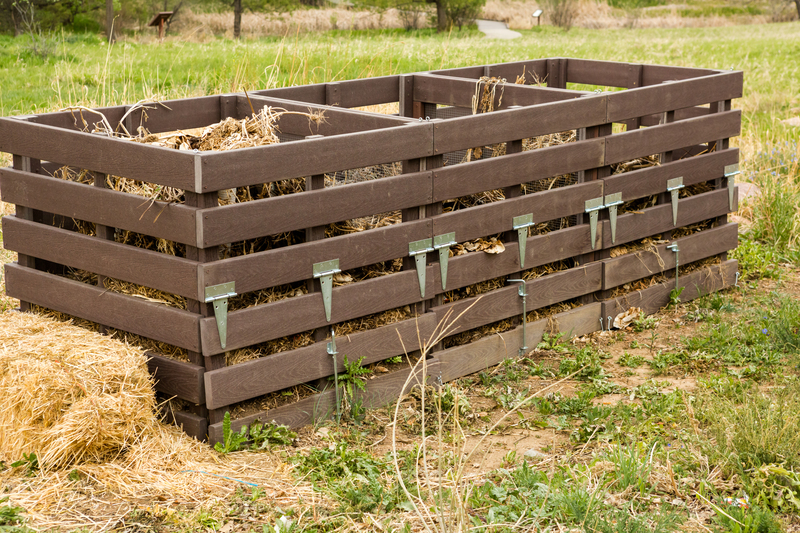
- Separate recyclables from general rubbish to facilitate easy collection and processing
- Use closed bins to prevent pests and odour
- Dispose of hazardous materials, such as batteries and paint, at designated collection points
- Clean bins regularly to prevent the buildup of bacteria and foul smells
- Encourage neighbours and the community to maintain similar standards
Engaging in Community Initiatives
Community clean-up projects are an excellent way to tackle large-scale waste and raise awareness regarding the importance of rubbish clearance for safety. These events foster teamwork and responsible civic behaviour, leading to safer, healthier neighbourhoods for all.
Conclusion: The Indispensable Value of Waste Clearance for Health and Safety
To summarise, the necessity of waste clearance for health and safety is a fundamental aspect of modern living. From preventing disease transmission and reducing pollution to securing communities against accidents and environmental degradation, the benefits of efficient waste management are immeasurable. With increasing urbanisation, stricter legal requirements, and the growing sophistication of rubbish clearance services, the need for prompt and responsible waste removal has become more critical than ever.
By staying proactive and adopting best practices--both at the individual and community levels--we can ensure safer, healthier environments for ourselves and future generations. Remember, effective waste clearance is not just about cleanliness; it's about securing our health, safeguarding our safety, and sustaining our planet.